


Tailor-Made for
Aeromodelers & FPV Pilots


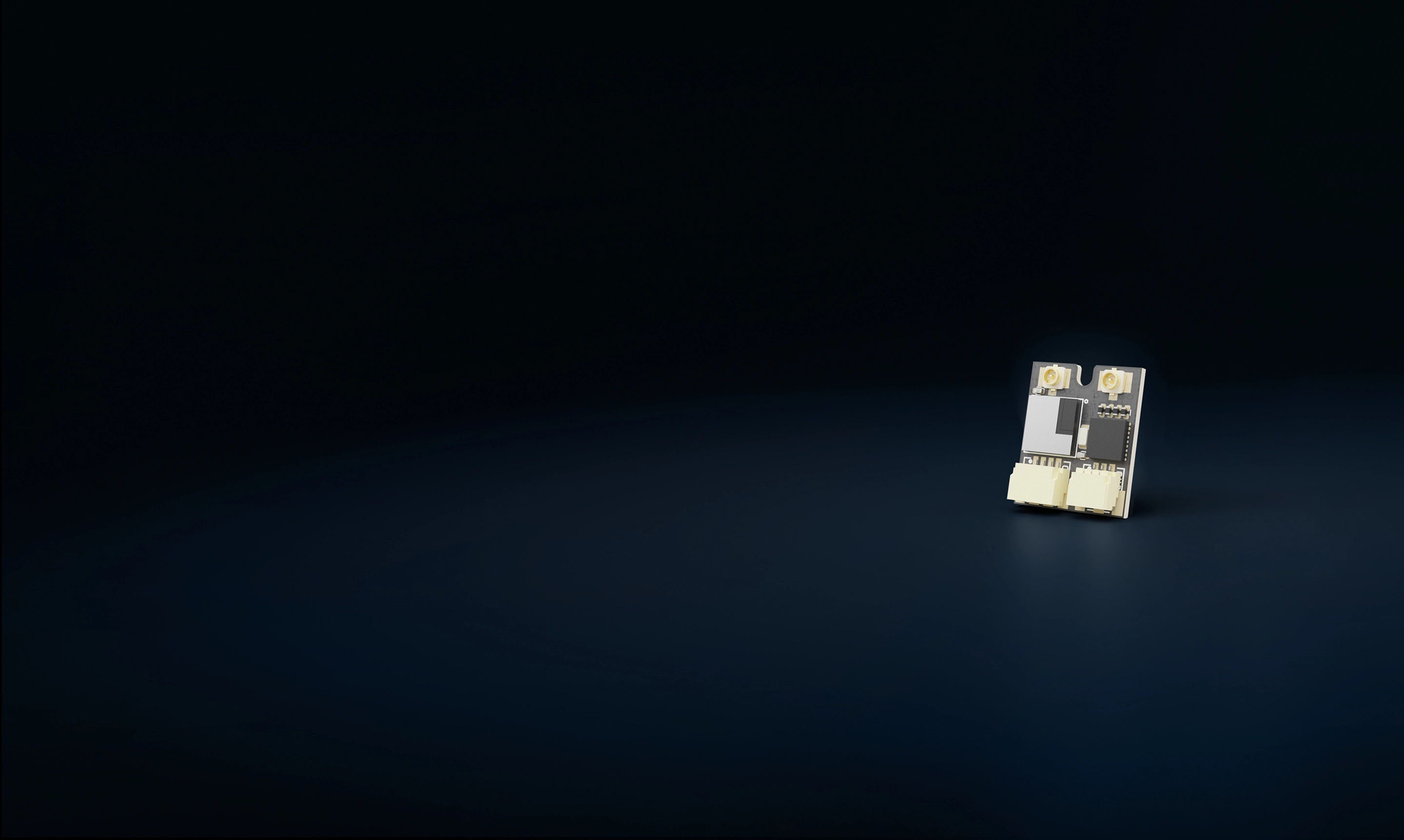
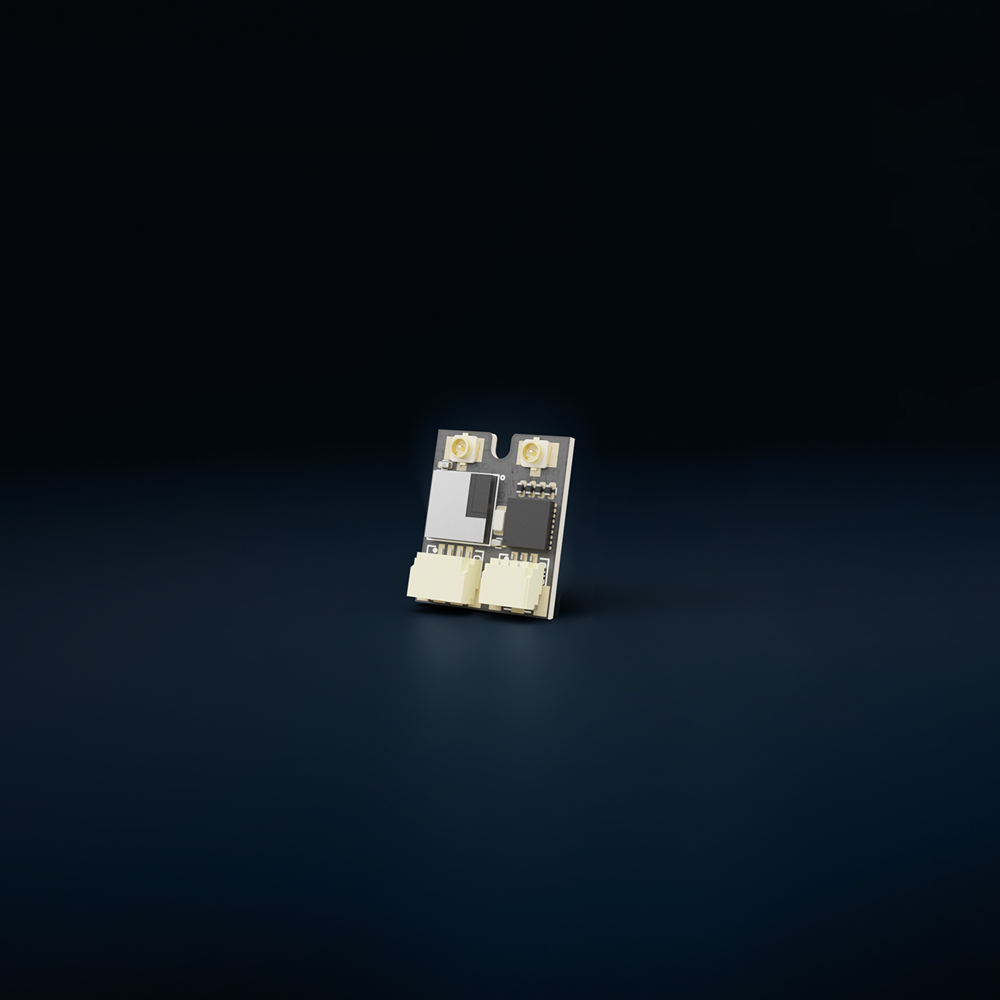
Upset about Remote ID?
We get you.
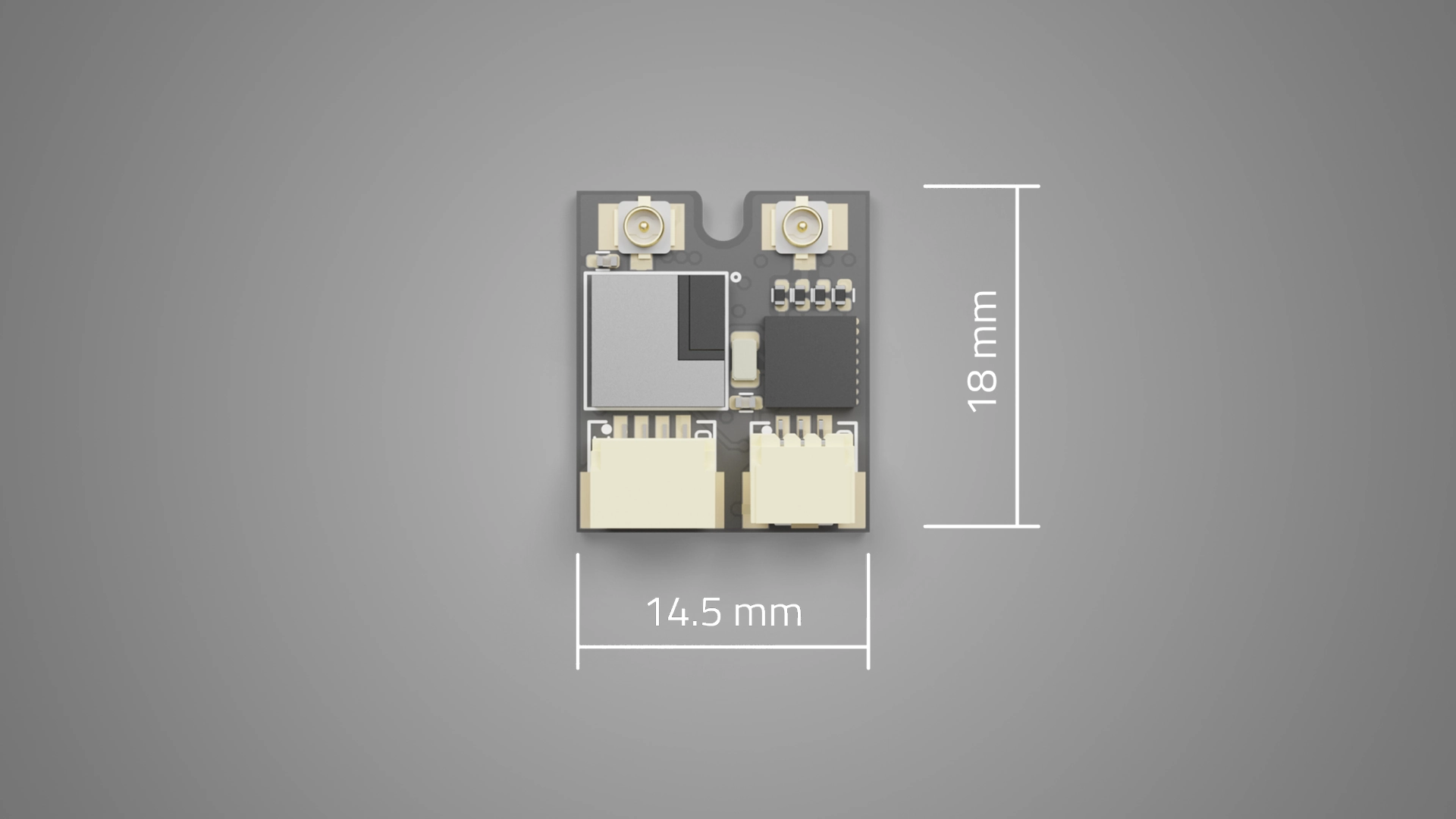
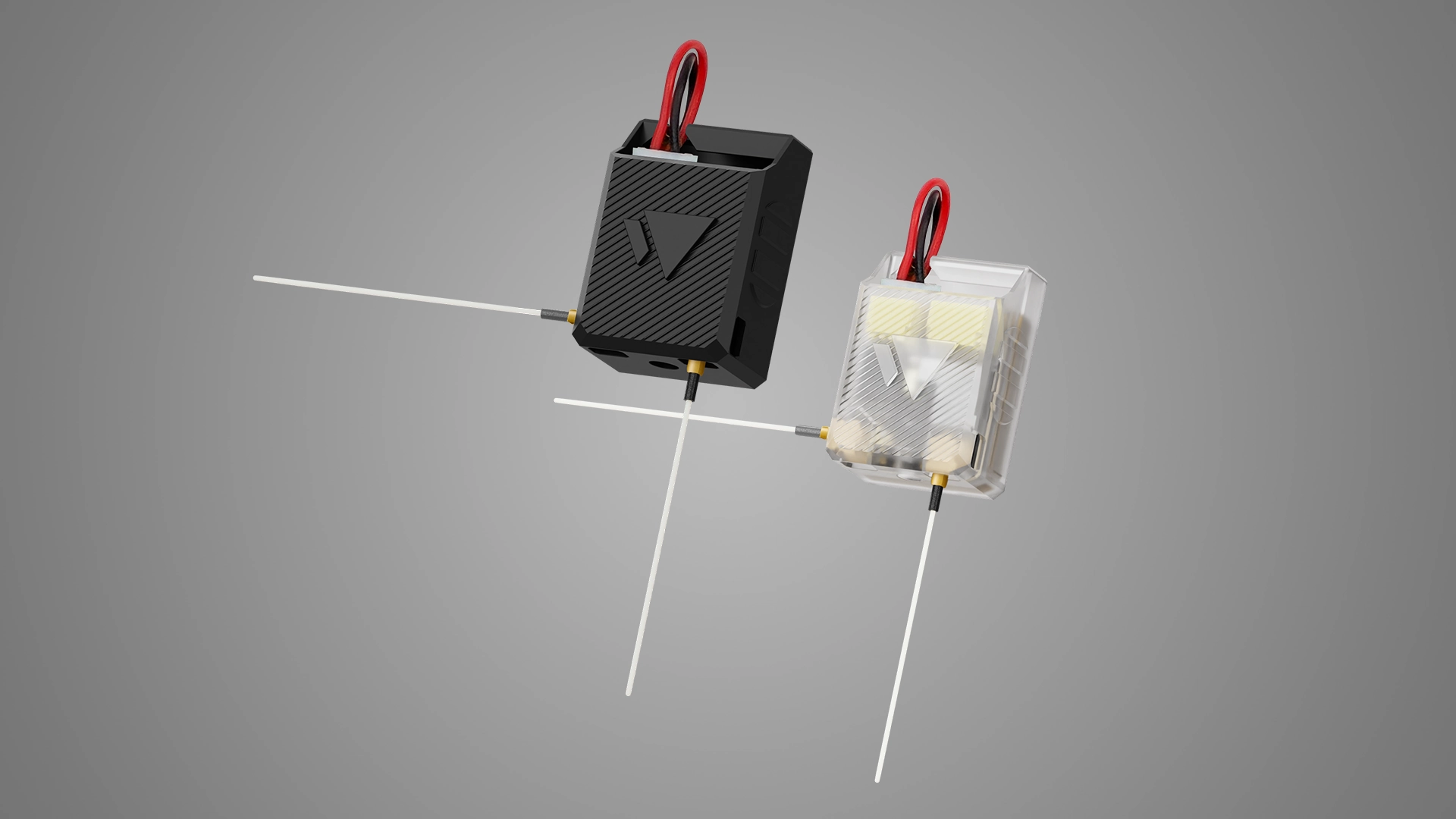

Dronetag BS
Features


Used by








Dronetag
Visualization Platform


Instant Remote ID
Compliance





Are you a drone manufacturer?
Specifications
FAQ
Remote Identification (Remote ID), means that other parties can receive basic information about airborne drones digitally (in a similar way to general aviation). The example data that Remote ID drones transmit wirelessly during flight is the operator's registration number, drone serial number, and current position.
Europe and the US are currently leading the way, with the rest of the world following their trajectory. Remote ID aims to enable organized management of drone operations to ensure safe airspace.
There are two types of Remote IDs. The first is Direct (in some countries called Broadcast) Remote ID (DRI), in which the drone broadcasts data directly to nearby entities ranging from hundreds of meters to a few kilometers. The second type is Network Remote ID (NRI), where the drone sends data via a cellular network to a central system, allowing it to be accessed by other users.
The current European-wide drone regulation requires all drones flying in a Specific category to fulfil the DRI requirements starting 1st July 2022. The technology and protocol are already defined in EN 4709-002. However, the situation regarding the NRI mandate is still unclear. All we know is that access to U-space airspace will be required starting January 2023.
In the USA, the FAA mandates that pilots use DRI modules starting September 2023 and that drone manufacturers comply with it (to produce Standard Remote ID drones) starting December 2022.
To sum it up, having both DRI and NRI systems on your drone is better. Dronetag Mini is future-proof and will always fulfill the latest standards.
Most Remote ID implementations transmitting Bluetooth and Wi-Fi simultaneously don’t implement radio coexistence protocols. This means the radio chip is overwhelmed with transmission requests, despite insufficient radio capacity to send the data. The result is that the device sends corrupted data at unreliable frequencies (not meeting the requirements of the standards) while creating unnecessary electromagnetic noise and interference.
All of our devices are manufactured in Prague, the Czech Republic, Europe. But the manufacturing site can be changed depending on the customer's needs.
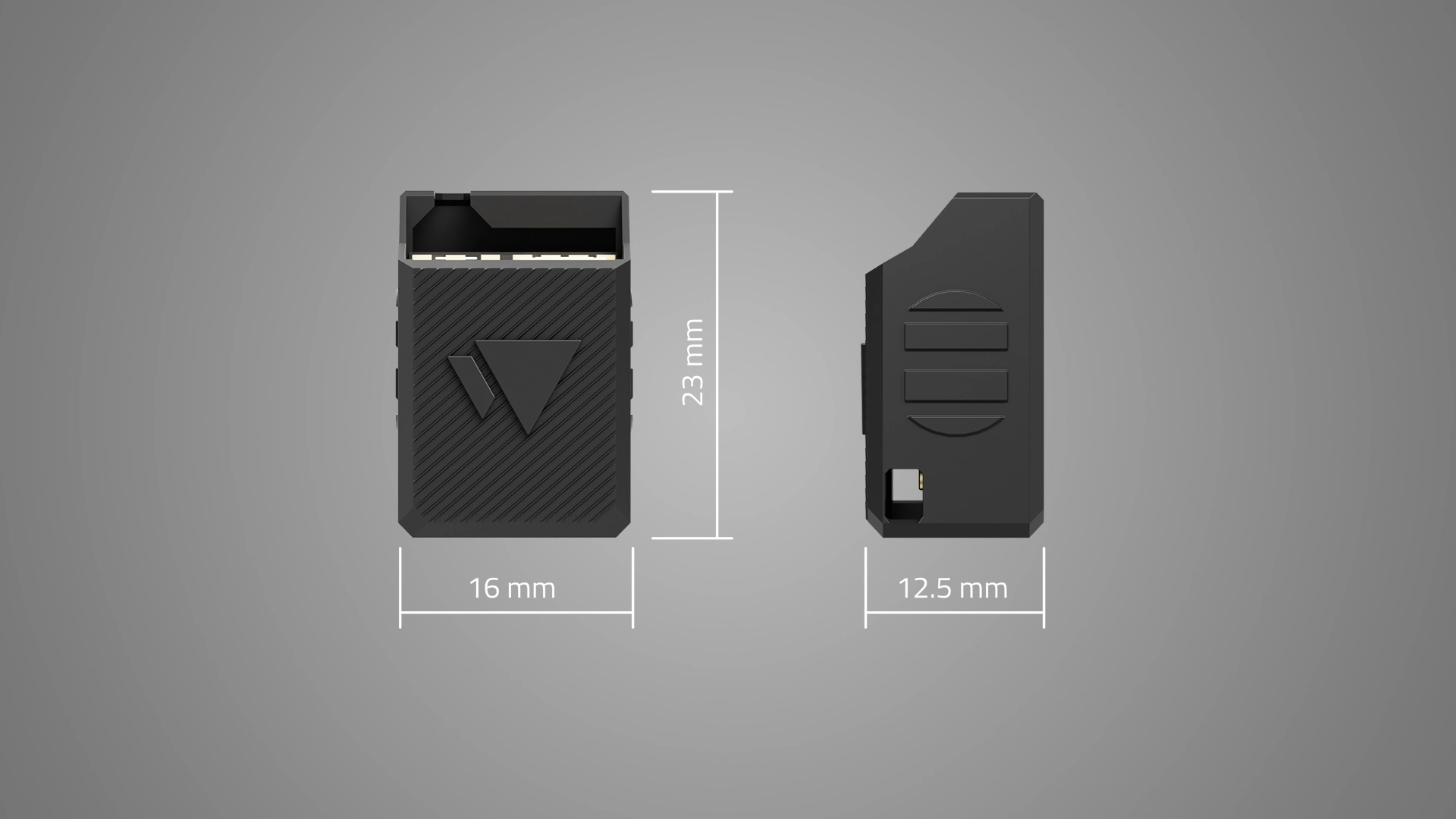
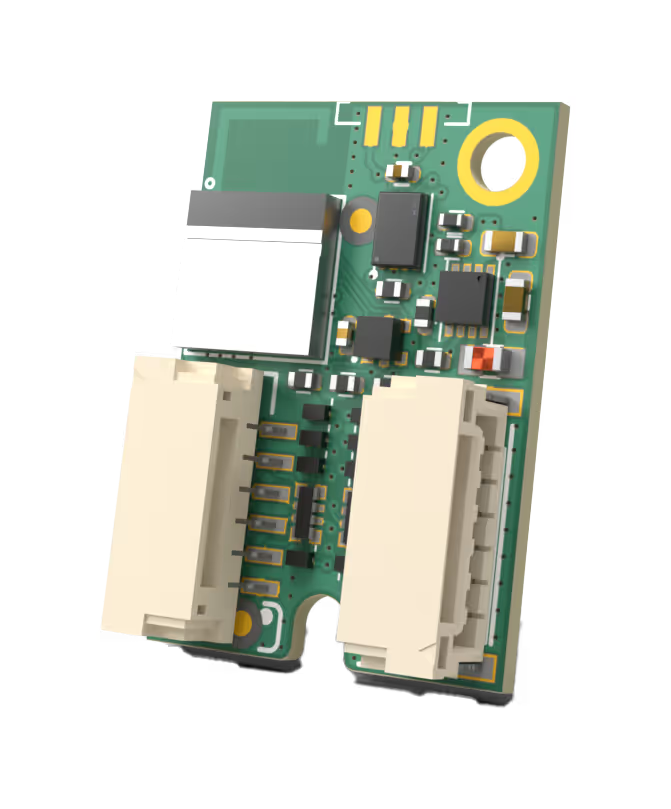
Yes! Dronetag BS is light enough to fit tiny FPV drones that need to become Remote ID-compliant. Most FPV pilots can find the right place for the Dronetag BS, whether inside or outside their drone, using a protective shrink tube for added protection against the elements.
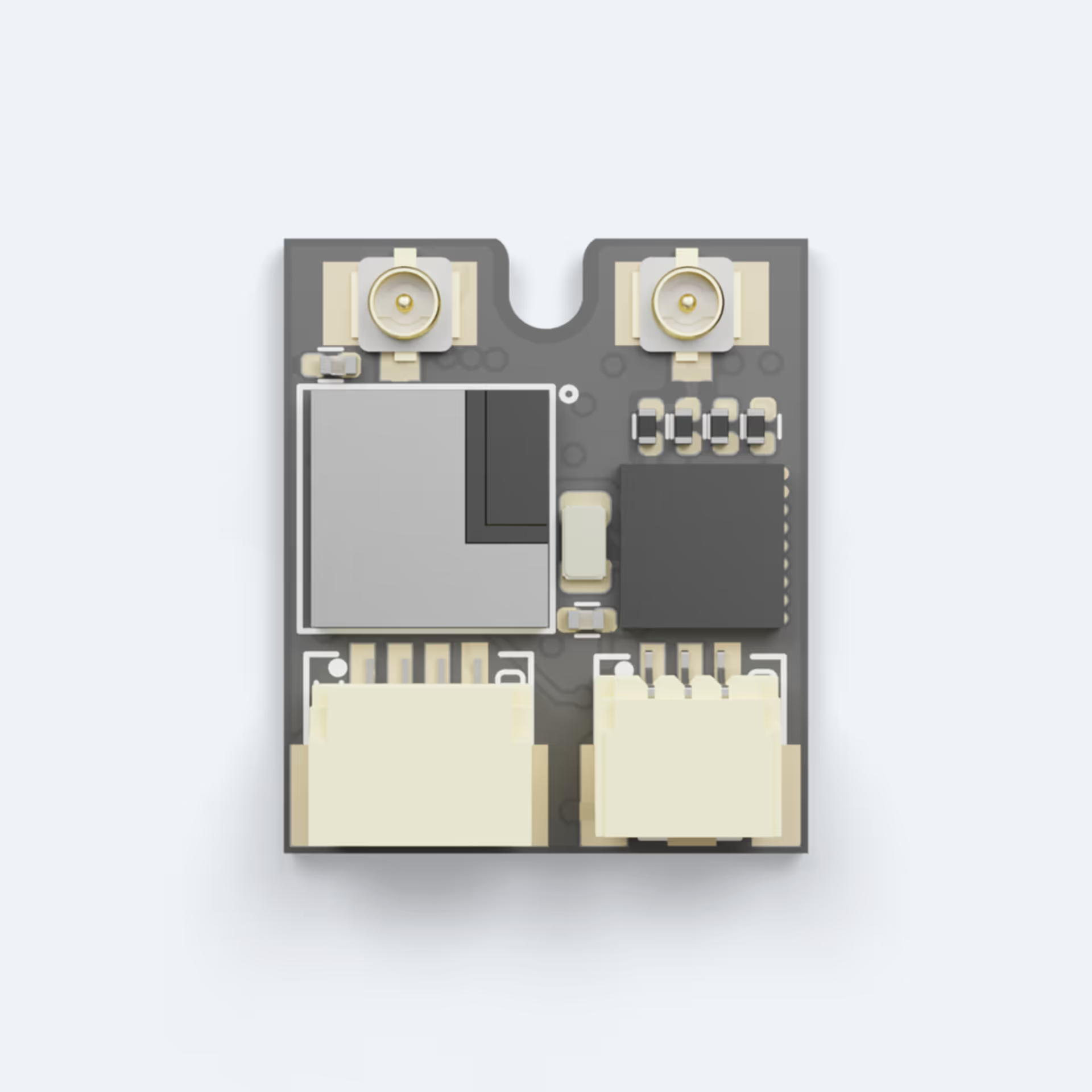
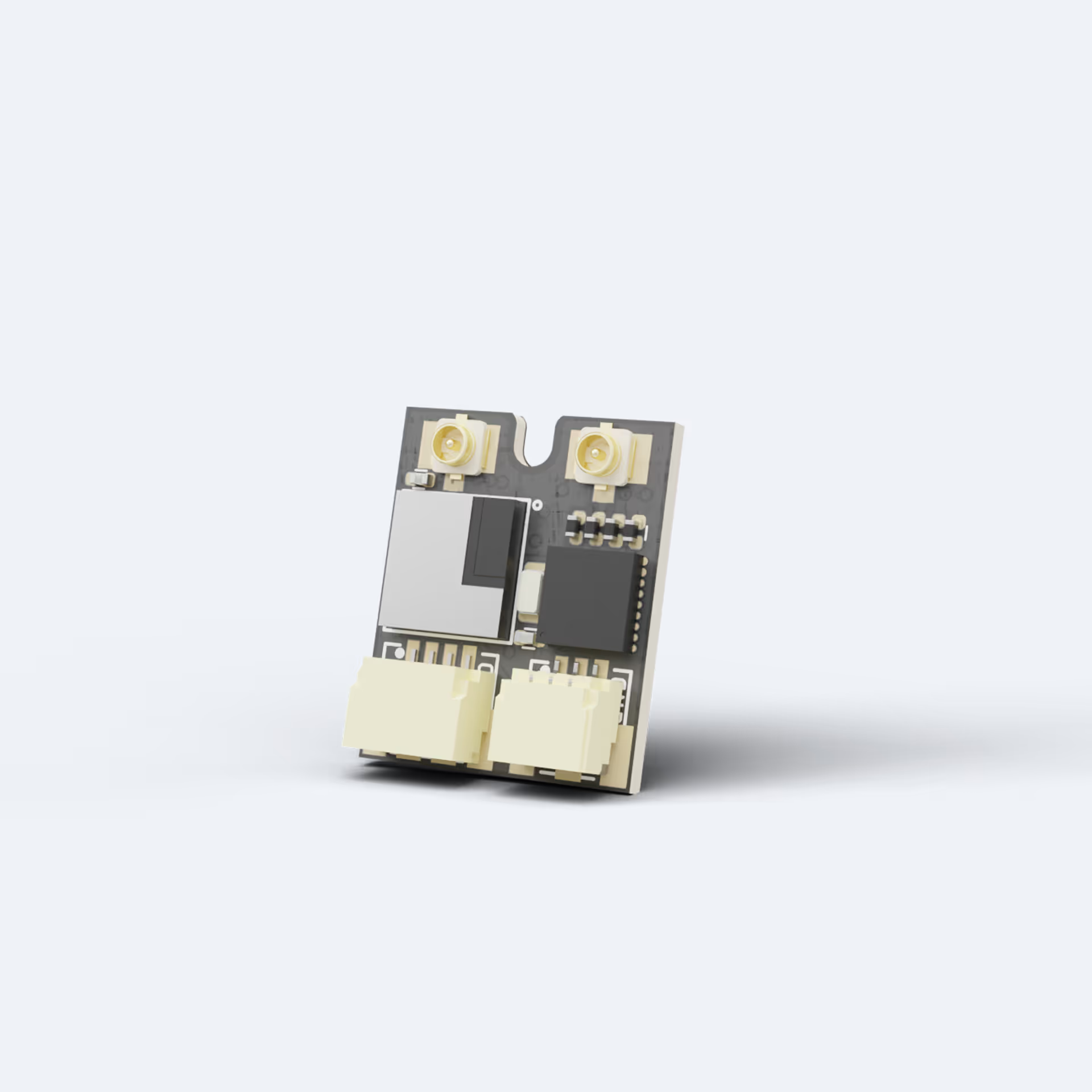
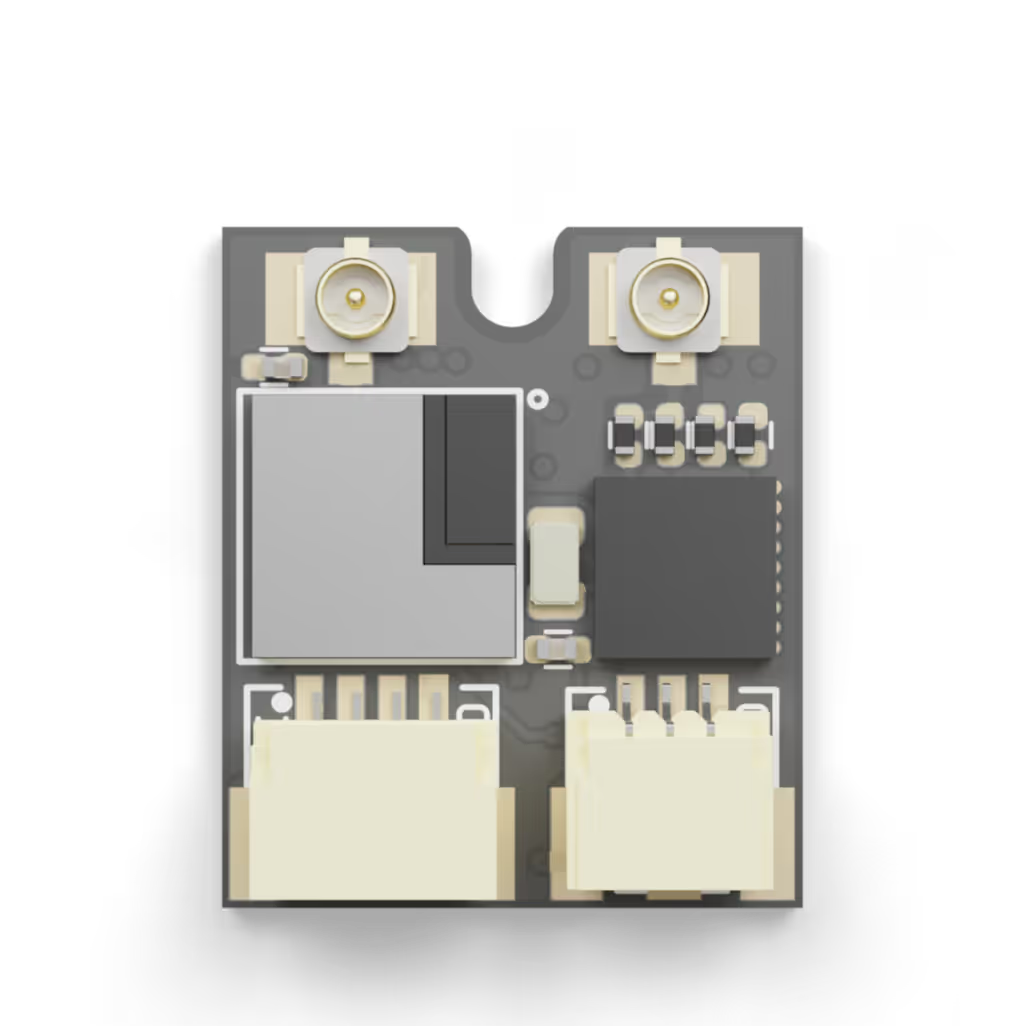
We designed Dronetag BS to fit drones, planes and other aircraft used by aeromodelers. There are many ways to mount tiny circuit boards inside or outside the aircraft body. Use velcro or double-sided tape to attach it to the desired place – simply without any cover or wrapped in the protective shrink tube. Owners of the custom-built models will appreciate this freedom.
Yes, you can check the DOC for Dronetag BS here: https://uasdoc.faa.gov/listDocs/RID000000257
It is not extremely difficult, but you should understand the basic principles of your drone's hardware and electrical systems. Connecting antennas via U.FL connectors is easy, but you also have to use the correct power input with the proper voltage. Any mistake can cause permanent damage, so there is not much room for trial-and-error experiments.
Custom-built drone owners might need a bit of extra work on their drone’s wiring, but as they built the whole drone, there shouldn’t be any problem adding connectors or adjusting voltage, right? If you have any doubts, feel free to ask for help on our contact page.
The main difference between BS and DRI is the ability to work as a standalone system. Dronetag BS has everything you need to get you Remote ID-compliant, including an internal GNSS receiver. On the other hand, Dronetag DRI is primarily an OEM product for integrators and manufacturers, relying on sensor data from the flight controller. If you need a self-contained & standalone system, go with Dronetag BS. If you need Standard Remote ID implementation in the US or plan to produce C-class drones as defined in the EU, we suggest Dronetag DRI.
If you are looking for a solution for your DJI or other off-the-shelf drones, we strongly recommend purchasing the Dronetag Beacon, an out-of-the-box operating device. It is the best solution for sealed-off drones and can be easily moved from one aircraft to another. Basic solution Dronetag BS is designed for hobbyists and DIYers – it has no hard case and requires an external battery and two antennas (GPS + Bluetooth). Its installation is for those with experience in electrical work and who know their drones offer sufficient hardware options.
Using Dronetag BS on DJI drones is at your own risk, and we do not provide any support.
Our company started developing drone coordination systems in 2018, even before they were called Remote ID. We focused on finding additional value in such systems from the very beginning rather than just solving the regulatory burden. Our strategy is customer-oriented, so we make all our systems and related documentation as easy to use as possible. We stand behind the excellent user experience of our solution, and to prove that fact, we were the first company involved in unsponsored public reviews on the Remote ID topic. Some significant stakeholders, including Air Navigation Services, drone manufacturers, and UTM providers, have also shown confidence in our company. See them in Partners.
From our perspective, there are 3 main reasons why Bluetooth is better than Wi-Fi for Remote ID:
Wi-Fi RID add-on devices often interfere with the drone's radio control as they operate on the same bands. Meanwhile, Bluetooth uses so-called beacon channels that are separate from the most common drone frequencies. Check the image below to see how it works.
Wi-Fi RID needs more transmission power. ASD-STAN and ASTM standards require the maximum power available for your RID transmitter, whether it uses Wi-Fi or Bluetooth. All Wi-Fi transmitters can usually do up to 20 dBm (100 mW), which is ten times more than the Bluetooth alternative. Wi-Fi not only consumes a lot of battery power but also creates electromagnetic interference that can influence the internal sensors of the drone, such as GNSS or compass. On the other hand, Bluetooth is usually limited to 10 dBm (10 mW), making it a way more efficient choice.
Almost all standard smartphones are unable to receive Wi-Fi signals frequently. Please see our video explanation of why smartphones don’t like Wi-Fi-based RID.
Get your BS now


.svg)
