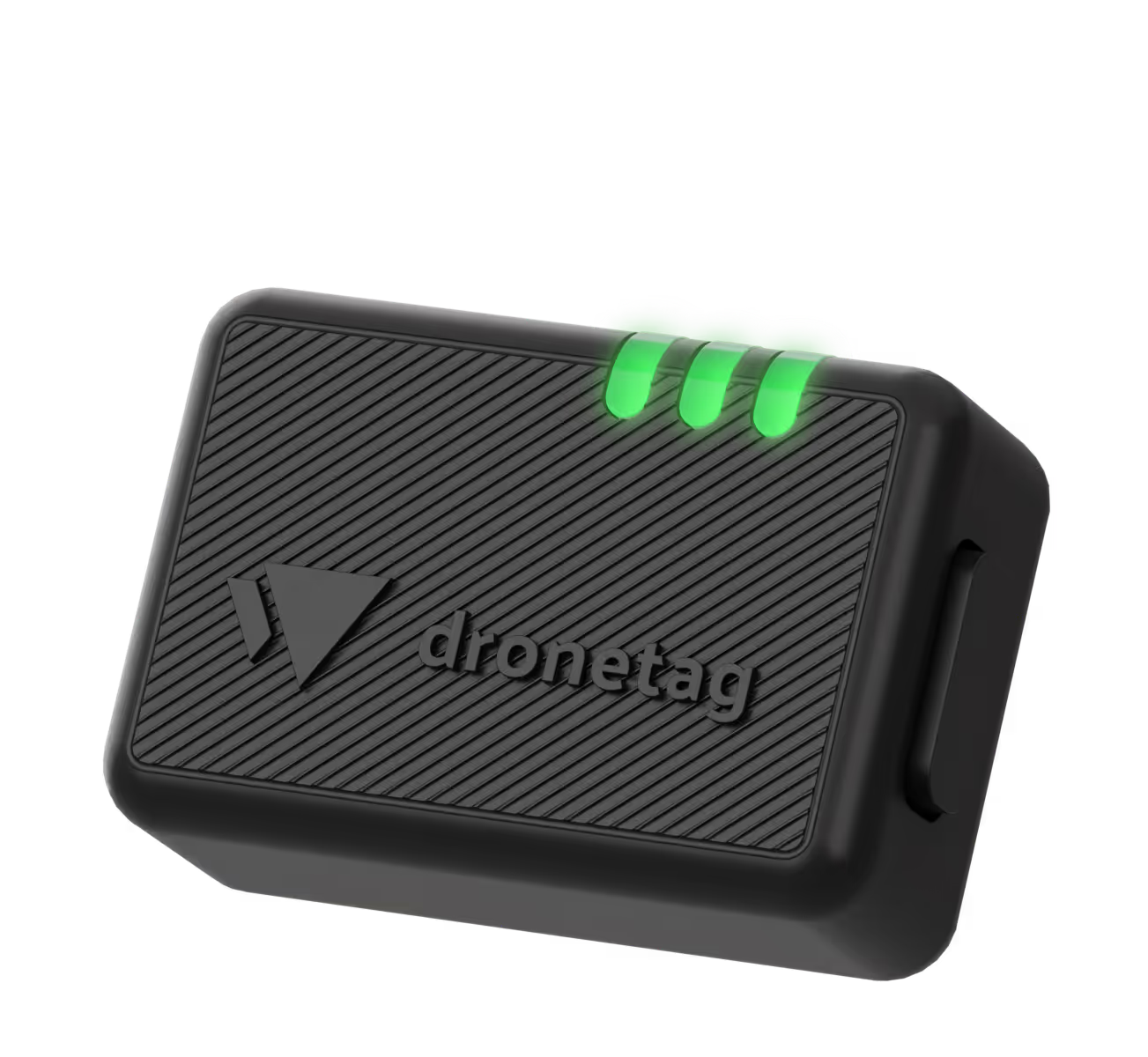
The Professional Standard for Drone Visibility
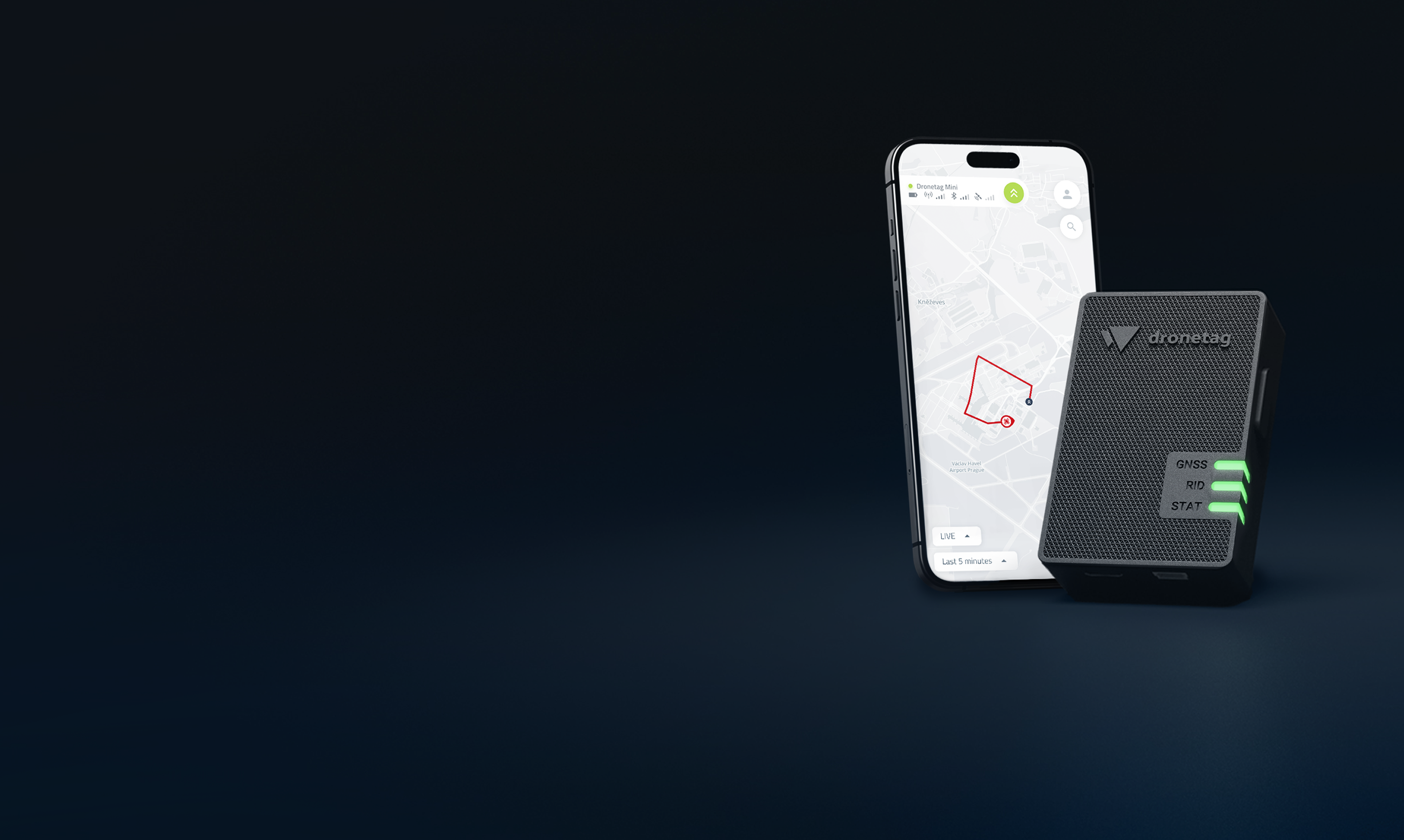
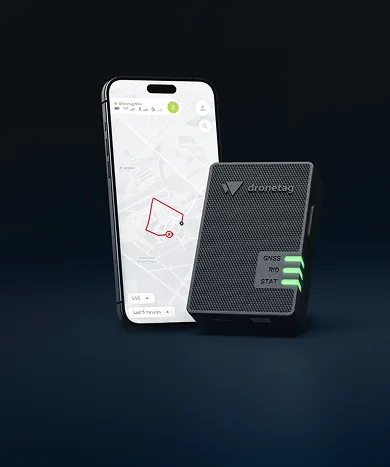
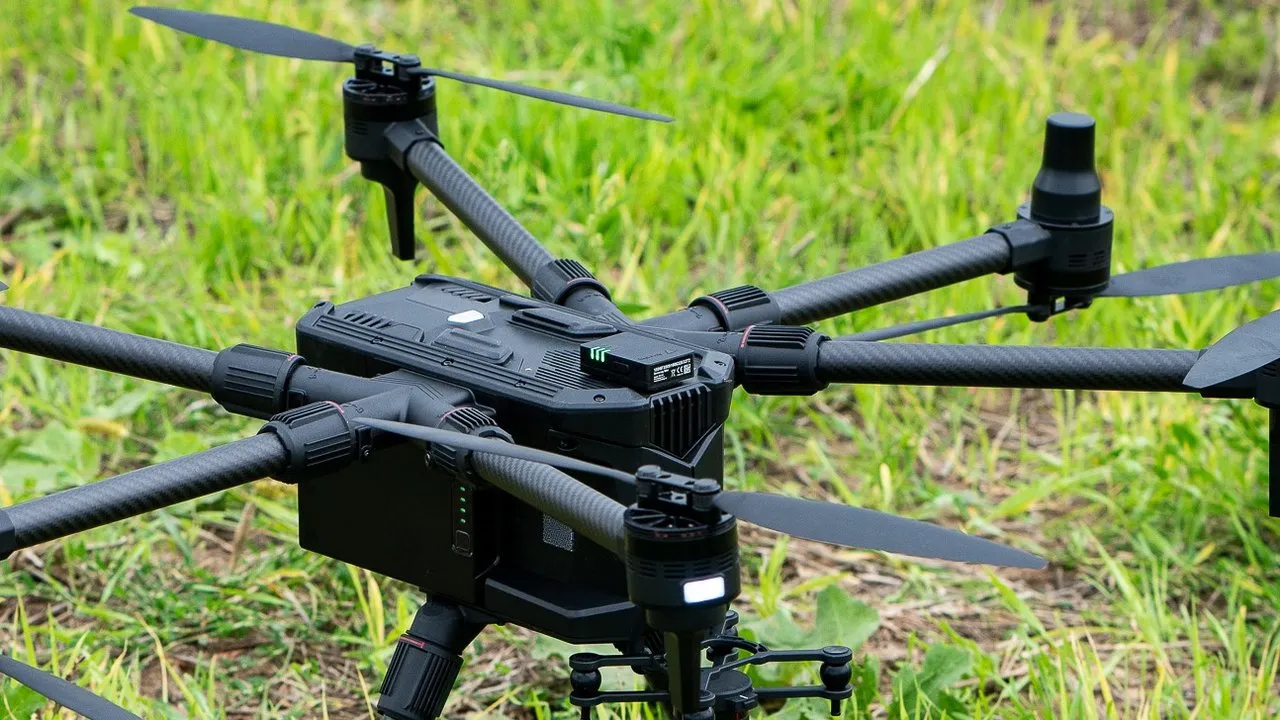
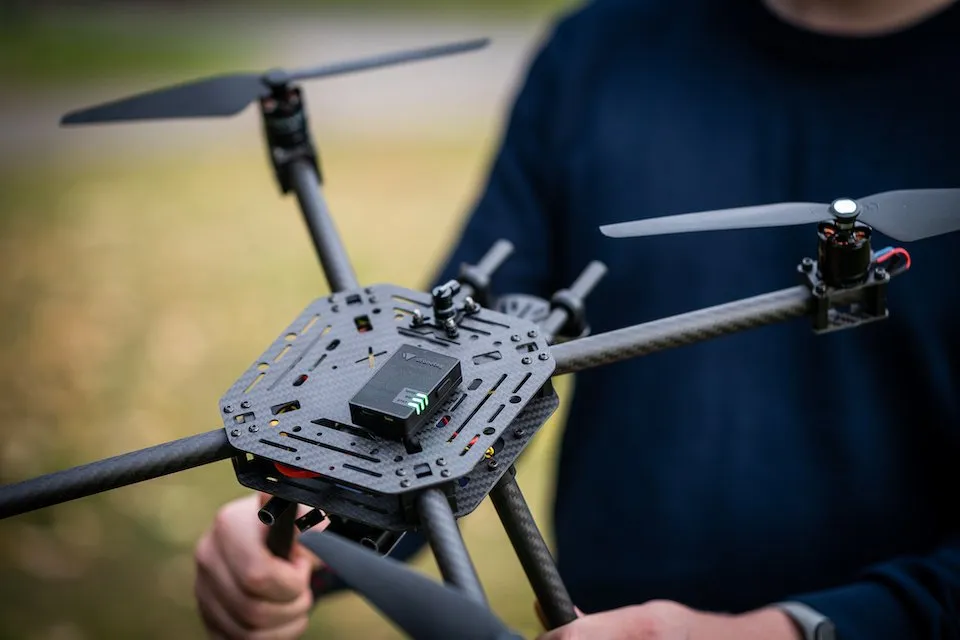
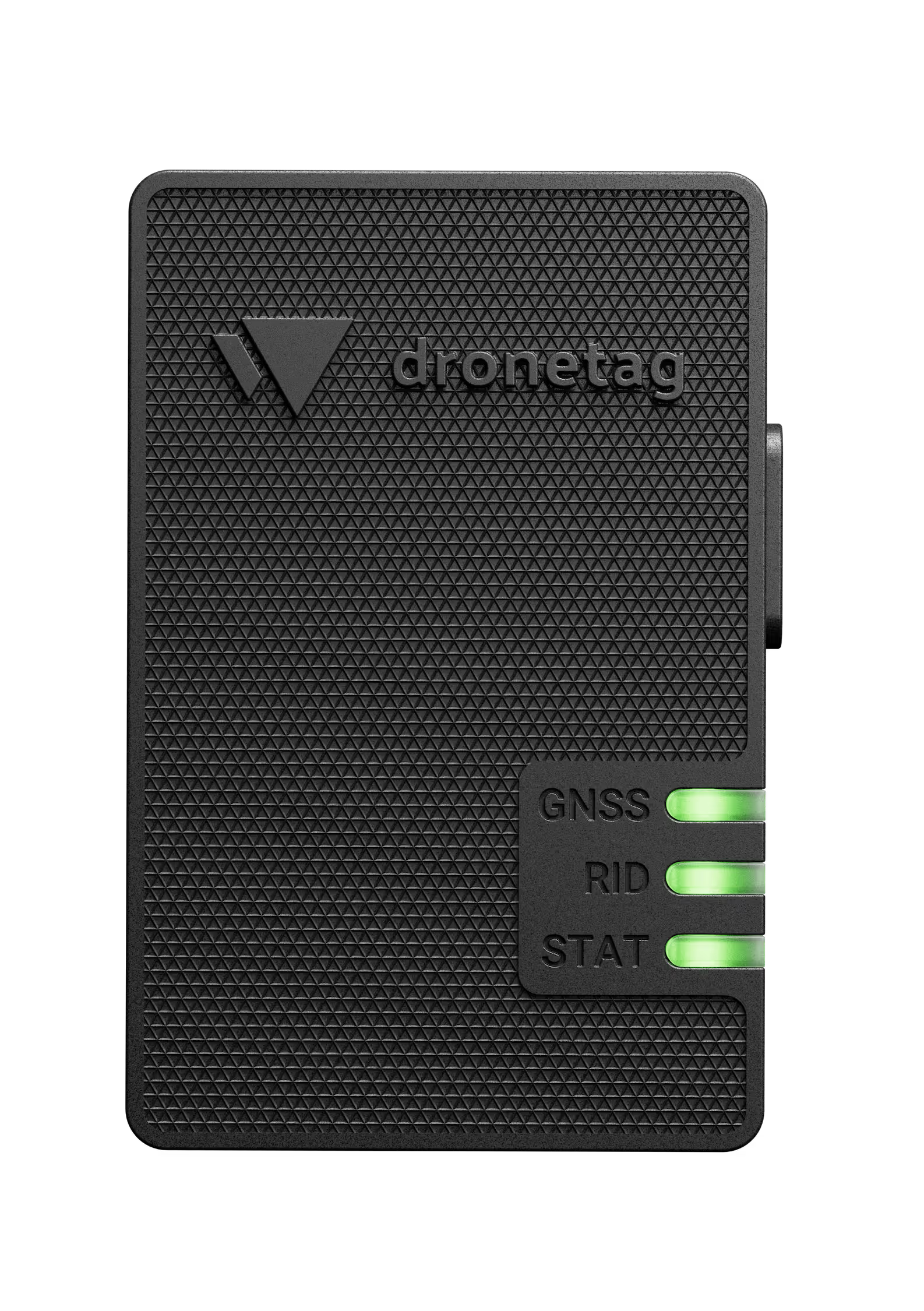
Designed with expert pilots in mind. Dronetag Mini combines both Network and Direct / Broadcast Remote ID to make your drone visible and compliant, anywhere in the world.
Dual Identification Method
Direct / Broadcast & Network Remote ID.
Up to 14-hour battery
Fly whole day on a single charge.
Feather-light 32 g
The lightest dual-signal device on the market.
Multi-Platfrom App
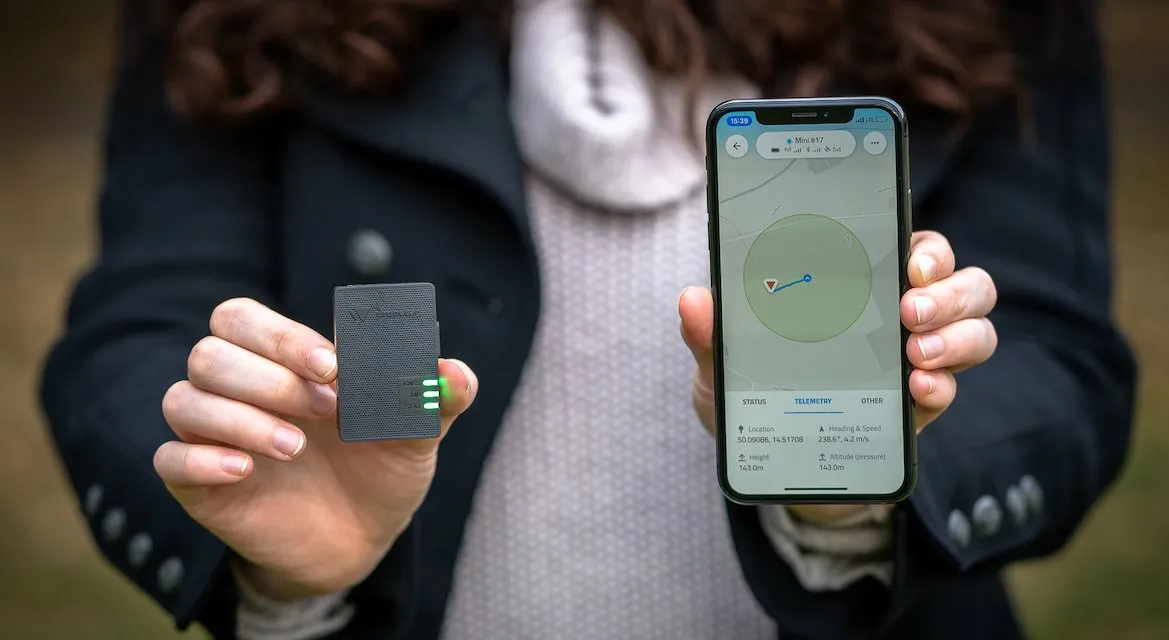
Monitor your flights on Android, iOS & Web.
Remote ID Compliant
FAA (USA)
EASA (EU), CAAS (SGP), CAA (UK).


Unlock Advanced Operations
Drone Operations
Dronetag Mini is a gateway to advanced drone operations. By securely sharing your drone’s position and identification through the Dronetag App, the Mini enables complex missions like Beyond Visual Line of Sight (BVLOS) flights, fleet coordination, and seamless integration of unmanned traffic with manned aviation.
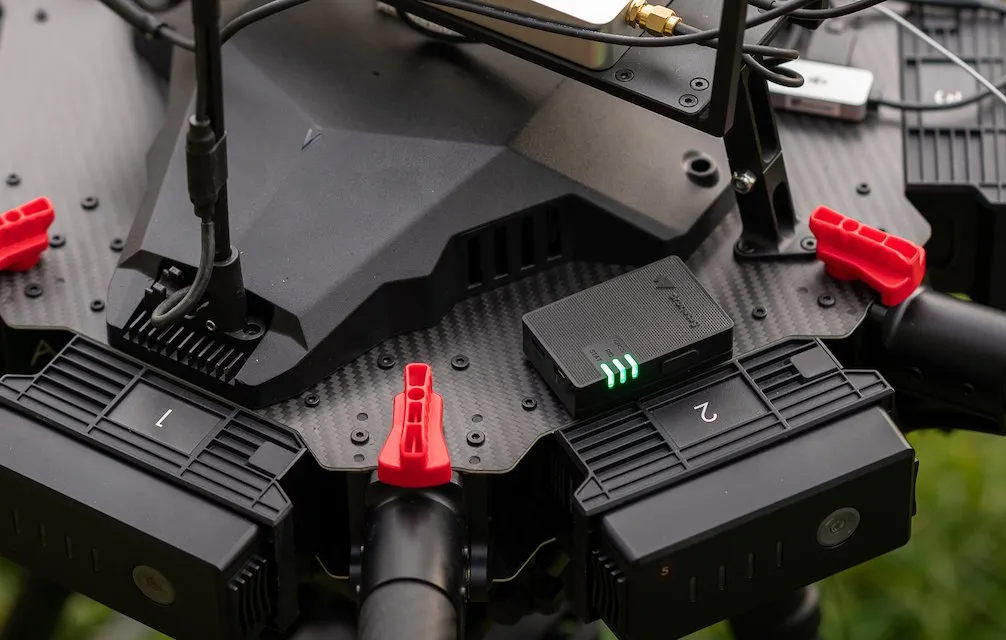
Attach Mini
Power On
Take Off
Fly & Observe
Your drone is cutting through the air in less than 2 minutes.

Dronetag Mini
Features
Read specifications

Used by

Dronetag
Visualization Platform
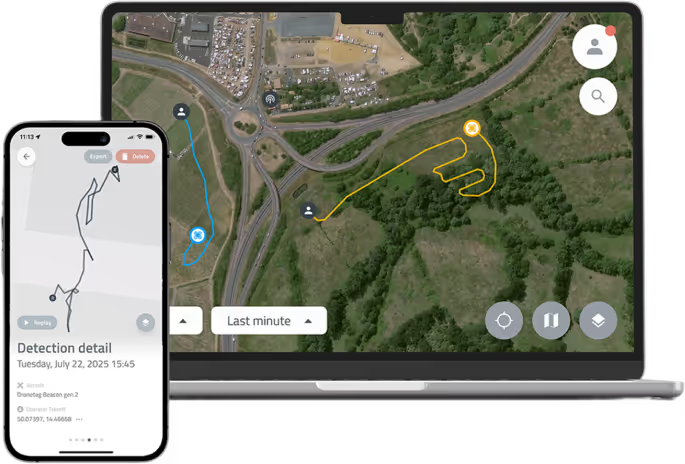
The Dronetag App is the central hub of our ecosystem, available free for iOS, Android,and in your web browser.
Manage all your devices, check airspace zones, plan flights, and inspect real-time flight data from a single, intuitive interface. Utilize features like custom alert zones, instant notifications and whitelisting to distinguish friend from foe.
Explore our platform
Flight Monitoring
Monitor your fleet with real-time flight paths and detailed telemetry
Device Management
Set-up, manage and update all your devices in one place
Flight History & Log Export
Replay historic flights and export data in multiple open formats
Network Connectivity
Subscription
Stay connected globally with our soldered chip-SIM and managed IoT tariff. The subscription unlocks the full power of Network RID, live telemetry, and other cloud features. Plans start at €15 / $15 per month, and you get the first 2 months on us.
Our Network RID service uses LTE-M and NB-IoT cellular technology. Check the coverage in your operational area before purchasing your Mini.
For Developers
Instant Remote ID
Compliance
Our ecosystem is engineered for global compliance. We actively monitor the international Remote ID landscape and are committed to securing all necessary approvals to ensure our solutions are compliant wherever you operate.
EU
ASD-STAN EN 4709-002
USA
ASTM F3411-19

Singapore
ASD-STAN EN 4709-002

UK
ASD-STAN EN 4709-002
Looking for the bare minimum?
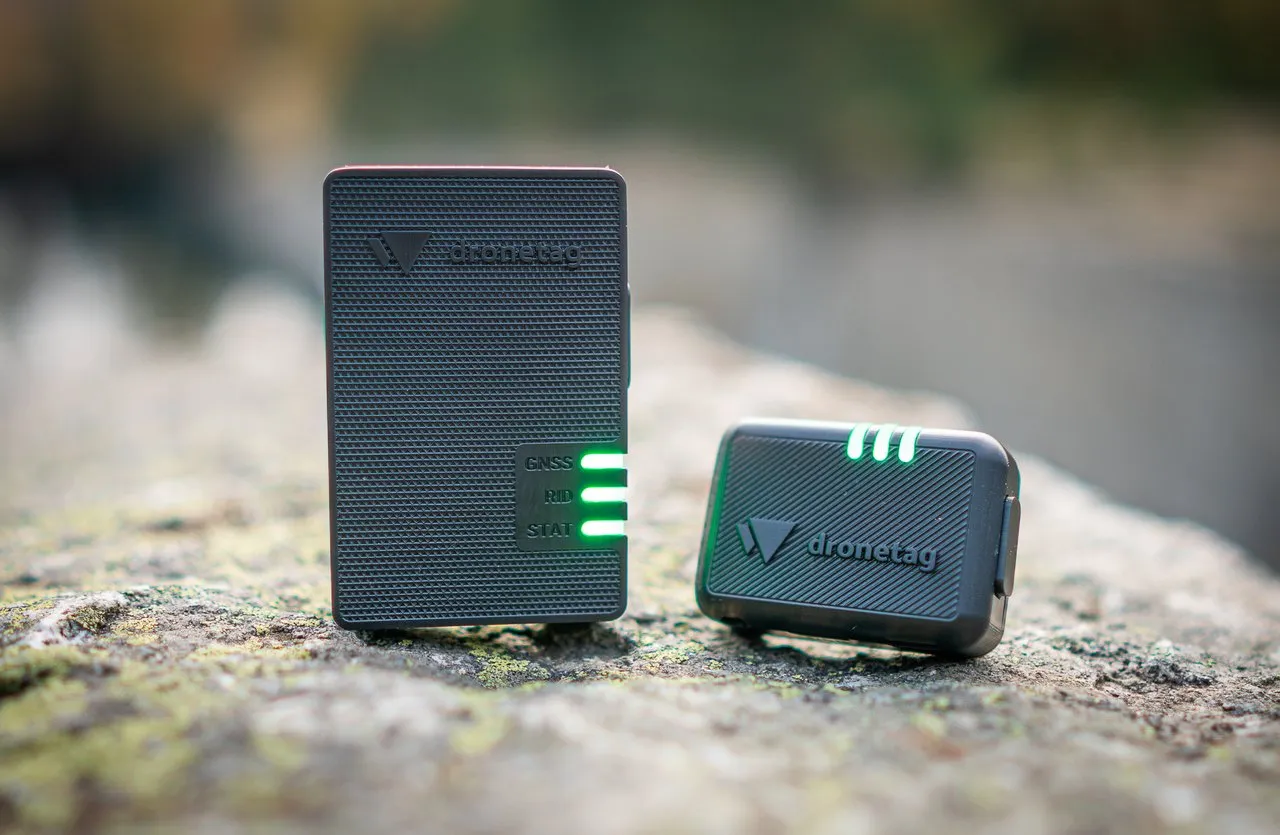
Dronetag Beacon is the simplest, lightest Direct / Broadcast RID solution for all hobby pilots.
Meet our Beacon
Specifications
Documentation & Downloads
Dive into the full user guide or grab a product sheet.
Hardware and Design
Enclosure
Plastic case with 3M Dual‑lock SJ4570 fastening
Ingress & temperature
IP43, −20 °C to +60 °C
Dimensions & weight
54 × 35 × 15 mm, 32 g
Sensors
Sensors
GNSS, barometer, accelerometer
Positioning
GPS L1, GLONASS L1, Galileo E1, SBAS
Dimensions
48 x 36 x 16 mm
Connectivity
Cellular
LTE‑M & NB‑IoT
Bands
3, 8, 20 (EU) / 2, 4, 12 (US)
SIM card
Soldered chip‑SIM managed by Dronetag
Short‑range radio
Bluetooth 2.4 GHz (up to 3 km)
Built‑in antennas
Internal LTE, Bluetooth & GNSS
Optional antennas
External LTE & Bluetooth via MMCX plugs
External ports
3.3 V EXT header, 5 V Micro USB
Hardware and Design
Battery
Li‑Po 3.7 V 500 mAh
Battery life
8–14 h (configuration‑dependent)
Charging
5 V Micro USB (≈ 2 h to full)
Current draw
50 mA avg / 1 A peak
FAQ
What is a Remote ID, and why do I need it?
Remote Identification (Remote ID, RID) is a communication protocol that enables everyone to receive basic information about airborne drones digitally. Europe and the US are leading the way, with the rest of the world following.
What is the difference between Direct and Network Remote ID?
Direct (or Broadcast) RID sends data from the drone directly to nearby receivers via Bluetooth. Network RID sends data via a cellular network to a central cloud system, allowing for tracking over unlimited distances. Our Mini supports both.
When do I need DRI and when NRI? Do I need both?
Current regulations (e.g., FAA in the US) primarily mandate Direct RID. However, future regulations for advanced operations (e.g., U-space in the EU) will require Network RID. Having both ensures you are compliant today and future-proof for tomorrow.
Can I use the Mini without a subscription?
Yes, the Direct RID (Bluetooth) functionality works without a subscription. However, a subscription is required to unlock the advanced capabilities of Network RID and other cloud features. Plans start at €15 / $15 per month, with the first two months free.
Can I use my own SIM card?
No. For maximum reliability and security, the Mini uses a soldered chip-SIM that Dronetag manages. This prevents connection issues and ensures seamless global roaming.
What countries are supported, and are there any roaming restrictions?
We ship Mini in 3 regional variants that cover nearly every LTE-M/NB-IoT network worldwide. Roaming is enabled by default, so you can hop borders without losing coverage. Check help.dronetag.com for the complete list of supported countries.
The Ultimate Tool for the Professional Pilot
Future-proof your operations, achieve total compliance, and unlock the potential of advanced flights. Get the Dronetag Mini and own the sky.
Direct / Broadcast & Network Remote ID
Global cellular connectivity
Up to 14-hour battery life
Take Off with Dronetag Now
Whatever your airspace needs, we’ll help you find the right setup from hardware to integration.